
Forensic extraction
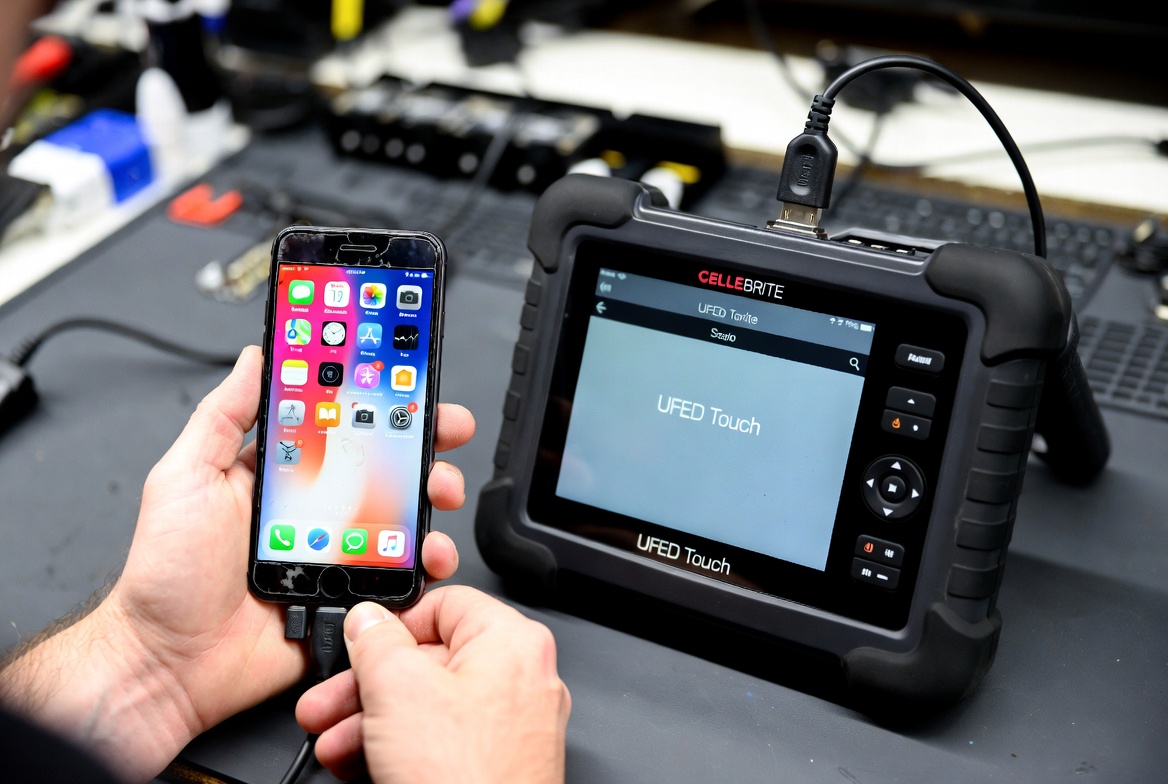
Cellebrite and file-system access
Used when the phone can communicate but the data is inaccessible through normal screen or operating-system access.
Recover photos, messages, contacts and app data from water-damaged, broken, locked or completely dead phones. We email every client a free prepaid Australia Post Express label, so you can send the device without travelling to the laboratory or paying intake postage.

This tool does not diagnose the phone. It collects useful symptoms, identifies immediate safety precautions and prepares a case summary for the laboratory.
Choose the closest match for an immediate, non-pricing recovery plan. Your selection carries into the saved case brief below so you do not have to explain the problem twice.
The page remembers your last selected plan on this device. Copy it, build a case brief, or move directly to the free Express Post intake.
Keep the phone powered off. Liquid and power together accelerate corrosion and can turn a recoverable board into permanent damage.
Read the detailed Wildfire guideChoose the facts that matter to an engineer. The brief is stored only in this browser, can be copied into the job form, and contains no name or contact details.
Mobile phone data recovery retrieves inaccessible data after physical damage, software corruption, accidental deletion or a security lockout. The recovery path depends on whether the phone can still communicate, whether its logic board can be stabilised and how the device protects its encryption keys.
For phones that can still communicate with forensic tools. Used for supported deletions, corruption, failed updates and some lock scenarios.
For dead or damaged boards. May involve micro-soldering, component repair, ISP/JTAG work or direct chip-level techniques.

Engineers begin with the least invasive method and move to board-level or chip-level work only when simpler extraction is not possible.
Used when the phone can communicate but the data is inaccessible through normal screen or operating-system access.
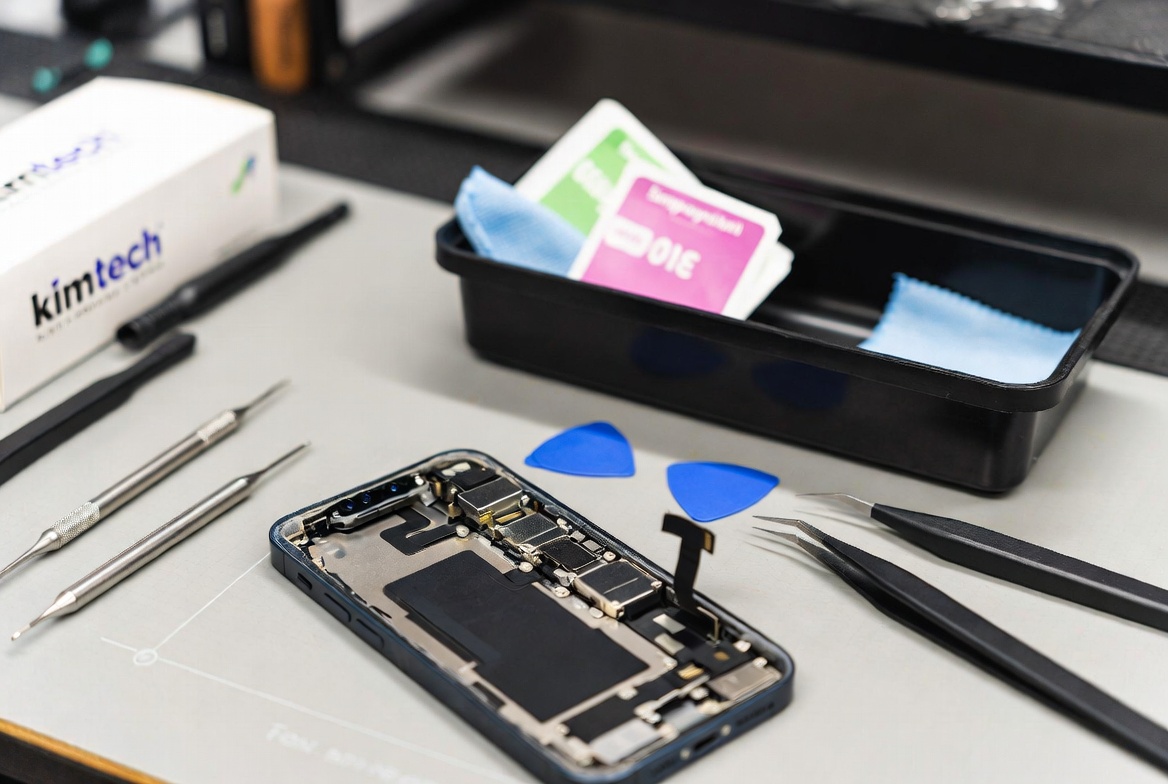
Failed connectors, power rails and board components can be repaired long enough to create a stable forensic image of the data.
ISP, JTAG and chip-level procedures are reserved for severe cases where the device cannot be made to communicate normally.
No visit is required. Every client can use the same tracked Express Post intake from anywhere in Australia.
Submit the phone details or call an engineer. Wildfire creates the case and emails the free Australia Post Express label.
Use a rigid box with protective padding, attach the prepaid label and lodge the parcel through Australia Post.
The laboratory identifies the safest recovery path and sends the exact written quote before any recovery work begins.
Follow the case online with your job number and PIN. Verified recovered data is returned by the agreed secure method.
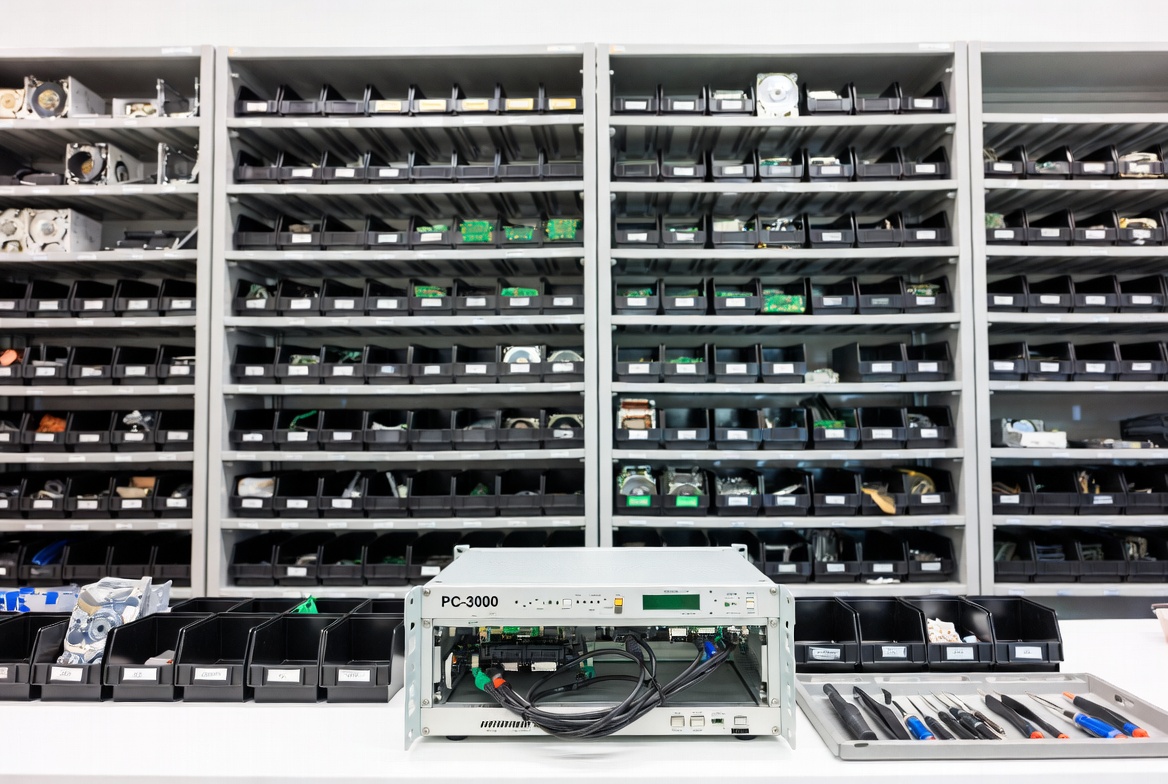
Wildfire is a dedicated data recovery and digital forensics laboratory rather than a general repair shop. Phone cases can move between forensic extraction, electronics diagnosis and precision board work without being outsourced to another provider.
This section is designed to publish only evidence that can be tied to an internal record, named person, source document or live review profile.
Microscope inspection, controlled board cleaning, micro-soldering, board stabilisation and supported forensic extraction can be described here when they are performed by Wildfire rather than outsourced.
See the laboratory workflowPublish the exact tracked-intake, access-control, recovered-data verification, retention and secure-return procedures used for consumer and forensic cases.
Review the tracked intakeState which standard consumer recoveries qualify, which diagnostic or specialist charges can apply, and when a case falls outside the guarantee. Link to the complete terms rather than relying on a badge alone.
Review the published conditionsAustralian recovery pages commonly lead with speed, office locations or a free quote. Those are useful, but they do not tell you how the phone will be handled. Use this checklist with any provider.
A proper diagnosis should lead to a written recovery path and quote before work. Wildfire states that standard consumer diagnosis is free.
A model estimate is only a guide. Wildfire confirms a fixed written quote after diagnosis and waits for approval.
Dead and locked phones often need more than screen repair or desktop software. Ask who performs micro-soldering, stabilisation and forensic extraction.
Wildfire provides a prepaid Australia Post Express label, a shipping guide and online job tracking rather than requiring a public drop-off.
Recovery success should be judged against your priorities. Use the saved case brief on this page to identify the photos, messages or business data that matter.
Ask for the conditions in writing. Wildfire applies the guarantee to standard consumer recoveries and confirms the case category before commitment.
These drafts use the case details supplied for this project. Match every outcome, location, image and technical step to the corresponding job record and client consent before publishing them as verified case studies.
Draft — verification requiredThe supplied case outline describes an iPhone 15 Pro exposed to salt water near Noosa, with wedding photographs identified as the priority data.
Ocean-water exposure introduced conductive salts and rapidly developing corrosion. The recovery priority was the original photo and video library.
Microscope inspection and controlled board testing were used to map corrosion before further power was applied.
Controlled cleaning, ultrasonic treatment where appropriate, and micro-soldering repair were used to stabilise the original logic board.
Confirm the exact recovered folders, validation method, turnaround and client approval against the job record before publication.
Draft — architecture check requiredThe supplied case outline describes a battery event near Brendale and business data recovered after the phone could no longer operate normally.
A battery or power event left the handset electrically unsafe and unable to complete a normal startup.
The laboratory would first isolate battery risk, inspect the power path and determine whether the original board could be stabilised.
Use the exact job notes to describe any NAND, ISP, board transplant or direct-reading work. Modern encrypted Samsung devices often require more than raw memory access.
Confirm the extraction method, encryption handling, recovered business data and chain of custody before making a public chip-off claim.
Draft — authority and consent requiredThe supplied case outline concerns a deceased estate, a locked Pixel 8 and an investigation into deleted data using supported forensic methods.
Estate authority, identity and scope must be verified before any lock or forensic work begins.
The phone is preserved in its current state to avoid unnecessary writes, remote erasure or repeated lockout attempts.
Supported Cellebrite or equivalent workflows may be assessed according to the model, software version, lock state and lawful authority.
Any carving or deleted-record claim must specify what artefacts remained, how they were validated and the limitations of modern encrypted storage.
Bookmark this page for the saved brief and packing progress, or use the verified Wildfire links below for shipping, job tracking and specialist guidance.
Start the case online and Wildfire emails a prepaid Australia Post Express label. Pack the phone, lodge it through Australia Post and track the recovery online.
Request the labelStart the case through the verified shipping page.
Pack the phoneUse a rigid box and enough padding that the phone cannot move.
Lodge and trackAttach the label, lodge through Australia Post and keep the tracking number.
If a battery is swollen, hot, punctured, smoking or fire-damaged, do not lodge the parcel until a Wildfire engineer confirms the safe intake method. Call 1300 806 557.

Straight answers about diagnosis, free Express Post intake, packing, tracking and technical recovery.
Cost depends on the phone, damage and required recovery method rather than the amount of data. The interactive recovery check prepares the symptoms and likely assessment pathway but does not diagnose or quote remotely. Wildfire confirms the exact written quote after the free diagnosis, and no work starts until you approve it.
Open Wildfire’s shipping page or start the job form. After the case details are received, the prepaid Australia Post Express label is emailed to you. Attach it to a securely packed parcel and lodge it through Australia Post.
No. No visit is required. Mobile recovery intake can be handled through the free prepaid Australia Post Express service, so you can start the case online from anywhere in Australia.
Power it off, protect it from movement and use a rigid box with padding on every side. Include the case reference inside and attach the prepaid label outside. Do not include chargers unless an engineer specifically asks for them.
Do not lodge a phone with a swollen, hot, punctured, smoking or fire-damaged battery until a Wildfire engineer confirms the safe intake method. Call the laboratory first on 1300 806 557.
Often, yes. Keep the phone off and do not charge it. The laboratory may use corrosion cleaning, board stabilisation, forensic extraction or advanced chip-level methods depending on what the liquid damaged.
Use Wildfire’s Track My Recovery page with the job number and PIN from the intake email. The tracker is the fastest way to return to the current stage without repeating the case details.
Chip-off is an advanced technique in which a memory component is removed from a damaged board for specialist reading and reconstruction. Modern encryption means raw memory access alone is not always enough, so engineers assess device architecture and non-destructive options first.
Request the prepaid label, send the phone from anywhere in Australia and receive the exact written quote after diagnosis.